

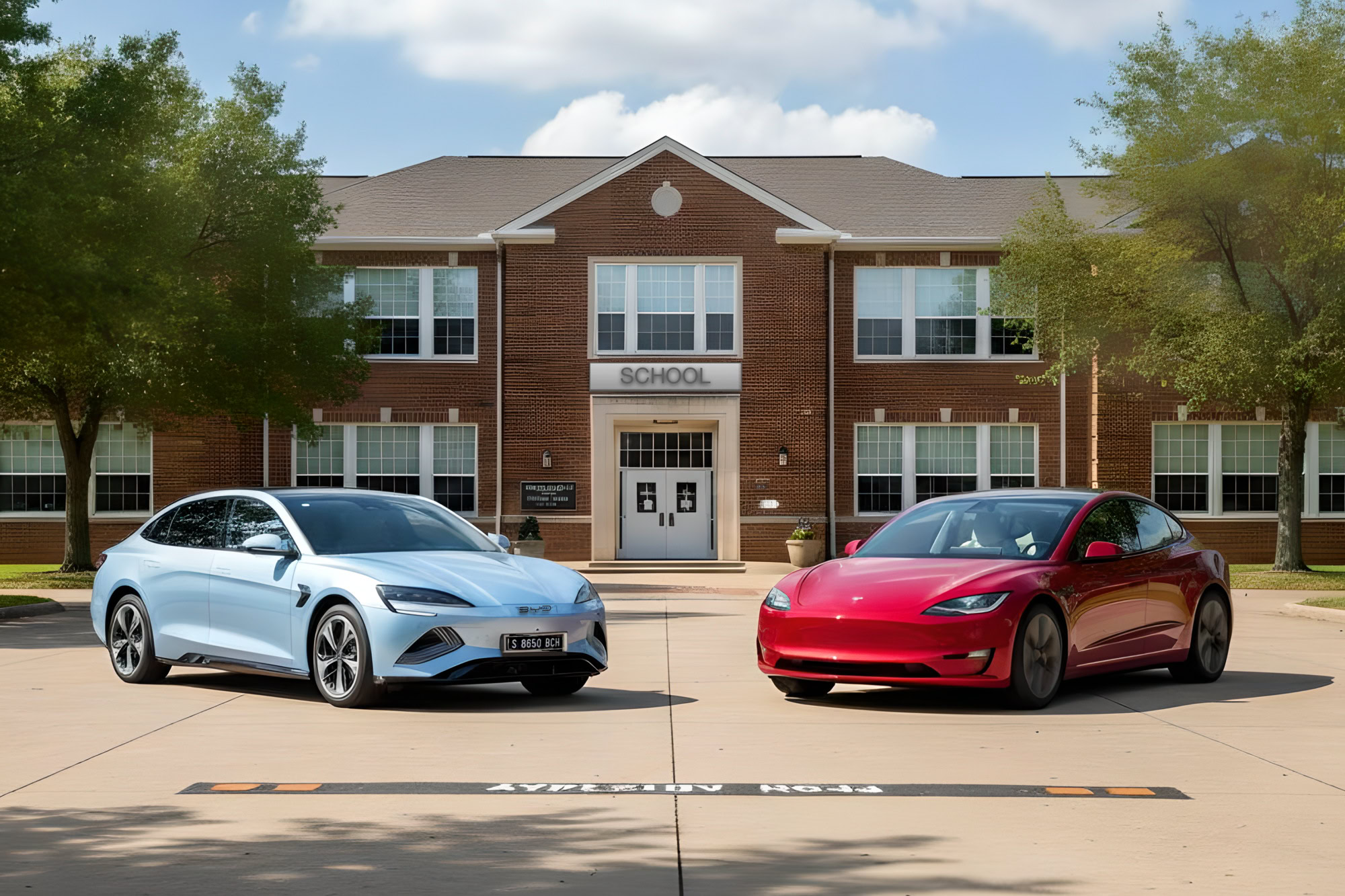
If you think panel gaps in electric cars have nothing to do with your role on a school board or as a Head of School, you may be overlooking the very habit of mind that determines whether your work succeeds or slowly unravels. Yes, I believe there are valuable insights about effective school leadership and governance to be gained by drawing lessons from the electric car industry.
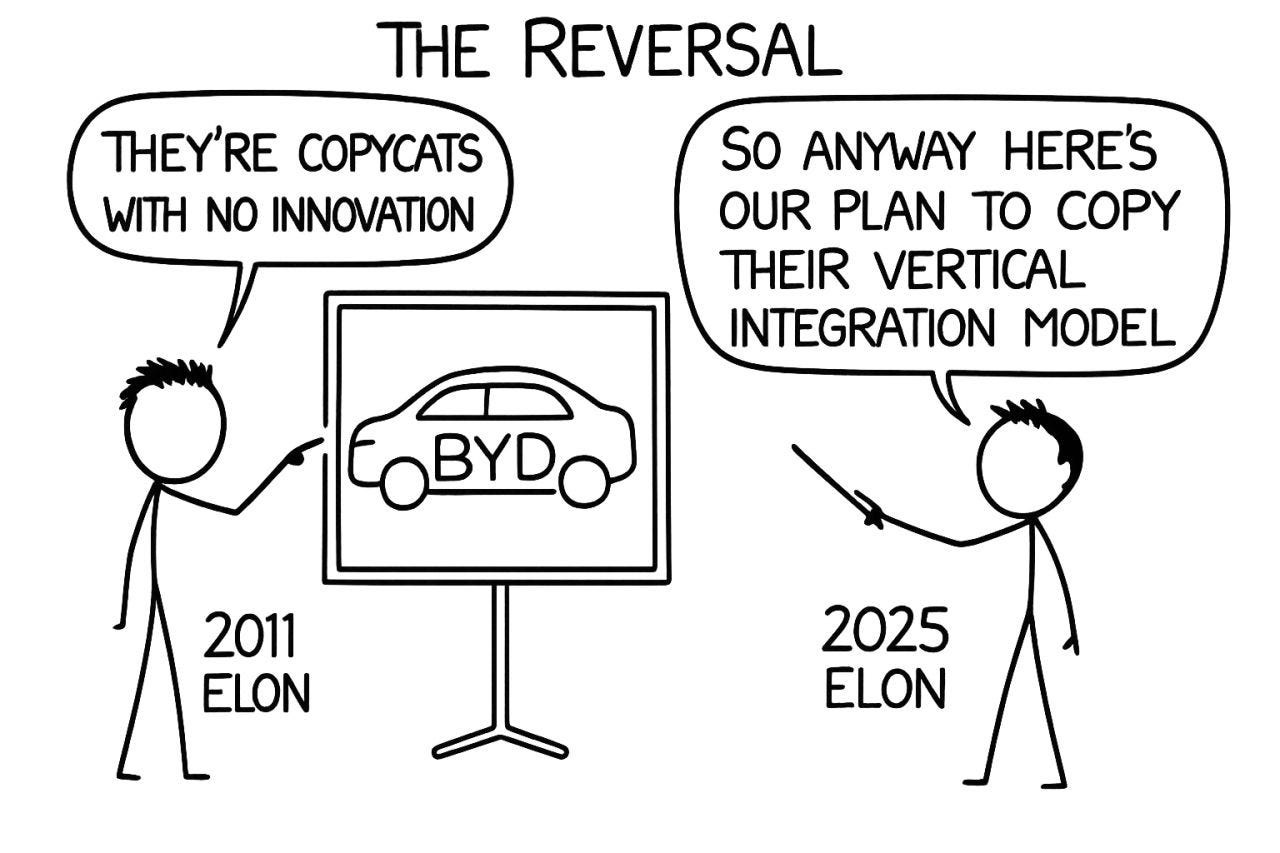
It is a truism that our world is changing rapidly. Few fields are changing more rapidly than the global electric vehicle industry where fortunes are shifting at breakneck speed. A decade ago, Tesla appeared unassailable. Elon Musk’s US-based company was seen as a symbol of innovation, bold leadership and technological disruption. In 2011, Elon Musk burst out laughing when he was asked whether the Chinese company BYD (Build Your Dreams) might one day be a serious rival to Tesla, saying derisively “have you seen their car?”. His response was understandable given that BYD was only established 16 years earlier in 1995, not as a car company, but as a battery manufacturer for mobile phones.
In 2025, just thirty years after its formation, BYD surpassed Tesla in global sales numbers, profitability, and scale of manufacturing. The statistics reveal the situation. In 2025, BYD sold 2.26 million battery-electric vehicles (BEVs), an increase of 28% over the previous year, thus becoming the first Chinese brand to lead globally in BEV sales. During the same period, Tesla’s deliveries fell to 1.64 million BEVs, marking its sharpest-ever annual drop and loss of market leadership. It is worth noting that BYD is just one of 129 electric car manufacturers in China, although it is clearly the largest one.
Source: Howard Yu (2026)
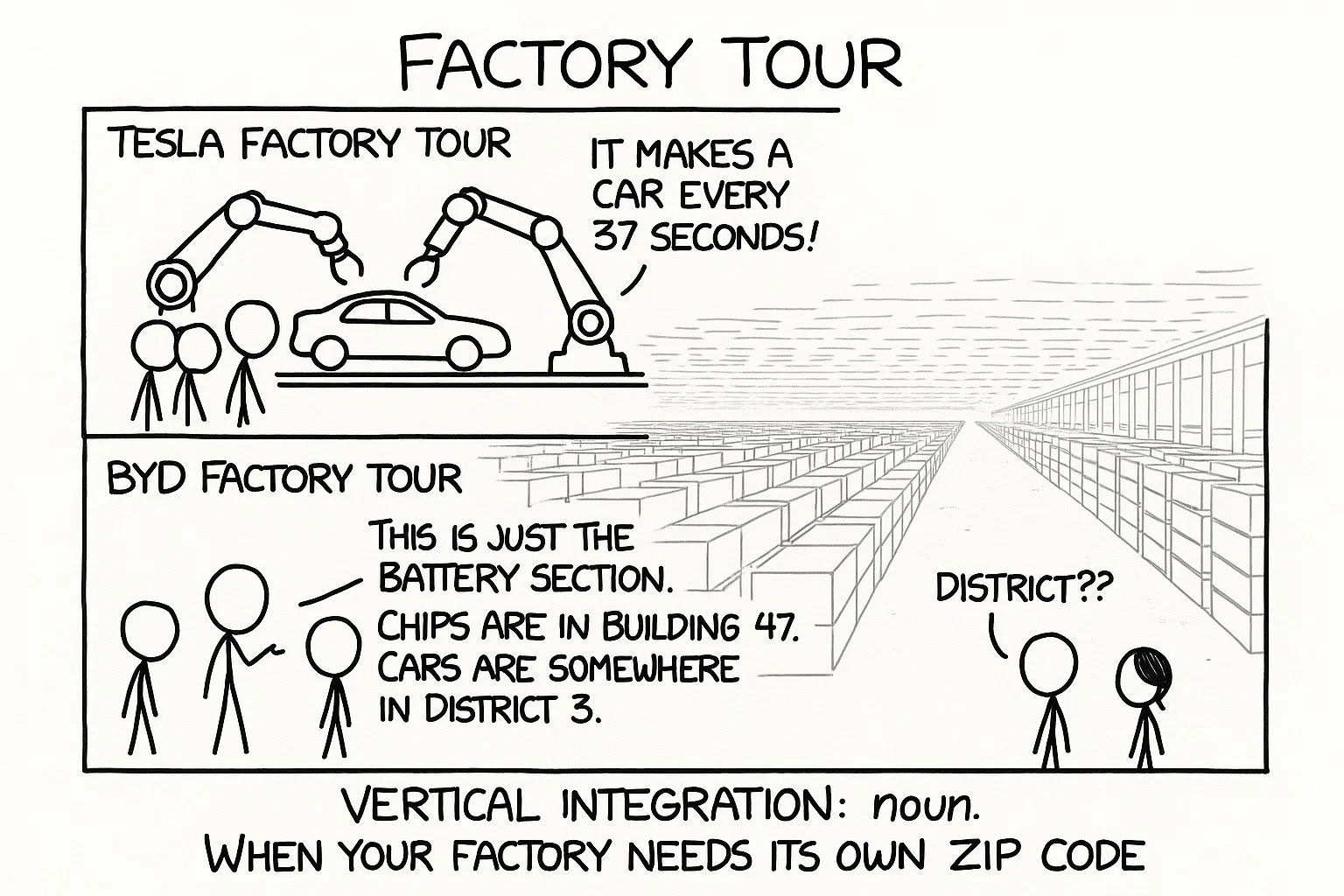
Having started as a mobile phone battery manufacturer, BYD subsequently diversified by making e-bikes and electric buses. Manufacturing phone batteries taught BYD about cell chemistry and how to make lighter batteries, making e-bikes taught them about electric drivetrains, making buses taught them about system integration, and servicing commercial fleets taught them reliability under extreme conditions. By September 2025, BYD had produced the U9 Extreme, the world’s fastest production car which reached a speed of 496.22 kilometres per hour. BYD is currently testing innovations such as cars that can drive sideways into tight parking spots and drive up flights of steps without causing a ripple in a glass of water held by a passenger.
BYD’s ascent has been the result of consistent, methodical improvement. It refined, standardised and optimised, paying relentless attention to detail as it developed a vast, vertically integrated manufacturing facility in Shenzhen that now covers more than four square kilometres. And this is just the largest of BYD’s nine manufacturing plants in China, which are additional to its current production bases in Thailand and Uzbekistan, plus its new factories which are under construction in Brazil, Hungary, Indonesia, and Turkey.
BYD’s rapid growth contrasts with Tesla’s evolution, which was based largely on Elon Musk’s personal ambition and grand vision, sometimes neglecting practical challenges such as manufacturing bottlenecks, quality control inconsistencies (such as poorly fitting panels) and supply chain fragility. Whereas Tesla was a car manufacturer that had to learn about battery technology, BYD was a battery manufacturer that learned how to build vehicles.
Source: Howard Yu (2026)
Perhaps surprisingly, schools operate in a somewhat parallel environment to electric vehicle manufacturers. We can begin to understand the similarity by posing a key question: “are schools near-monopolistic institutions that simply need to learn how to educate students better, or are schools just one element of students’ education in a world that is exploring and building the most appropriate environments to form young lives?”.
It is often tempting for school leaders and members of school boards to focus primarily on big ideas: a new campus masterplan, an ambitious strategic vision, a rebranding exercise or a bold enrolment target. Such matters are important, but like Tesla’s early dominant narrative, they can seduce school leaders and their boards into believing that clarity of direction and historical inertia are sufficient. They are not.
Effective school governance survives in the details. Board papers must be read carefully, not skimmed. Risk registers must be interrogated, not merely received. Financial statements demand more than a nod of approval; they require curiosity about variances, assumptions and emerging trends. Health and safety policies need line-by-line scrutiny. Minutes must capture nuance accurately. The effectiveness of governance is often determined in these granular spaces.
Similarly, effective leadership by the Head of School and senior management demands attention to detail because culture, safety, performance and trust are all built (or eroded) through the everyday operational decisions that rarely make headlines. A strategic plan may (and should!) articulate a compelling vision, but it is implemented through precise budget monitoring, consistent application of behaviour policies, careful timetable construction, thorough relentless observance of health and safety procedures, accurate data analysis and timely communication with parents and staff. Small lapses, such as a forgotten compliance requirement, a poorly worded policy, an unresolved staff concern, a missed maintenance issue, or one of hundreds of other possible oversights, can accumulate into reputational damage or organisational drift.
On the other hand, the Head who insists on clarity in reports, coherence in curriculum planning, rigour in performance appraisals and follow-up reports on agreed actions models excellence that is not a simple, abstract aspiration, but daily practice which establishes the school’s culture. In schools, as in any complex organisation, it is the cumulative effect of thousands of well executed details that sustains credibility, drives improvement and turns vision into lived reality.
This is not an argument for hypervigilance, which occurs when the board exercises a high level of scrutiny even though the school’s internal controls are strong. If internal controls are strong and are being implemented effectively by the school’s management, the board should be satisfied that a low level of scrutiny is all that is required on its part. In such cases, the board would simply monitor the school’s operations through its regular oversight of periodic reports and/or updated KPIs provided by the senior management, backed up by the annual independent auditor’s report. The board should only have to resort to intense scrutiny of the school’s operations if internal controls are weak or are being violated. In general, the board and the senior management should work in partnership within the Zone of Proportional Scrutiny.
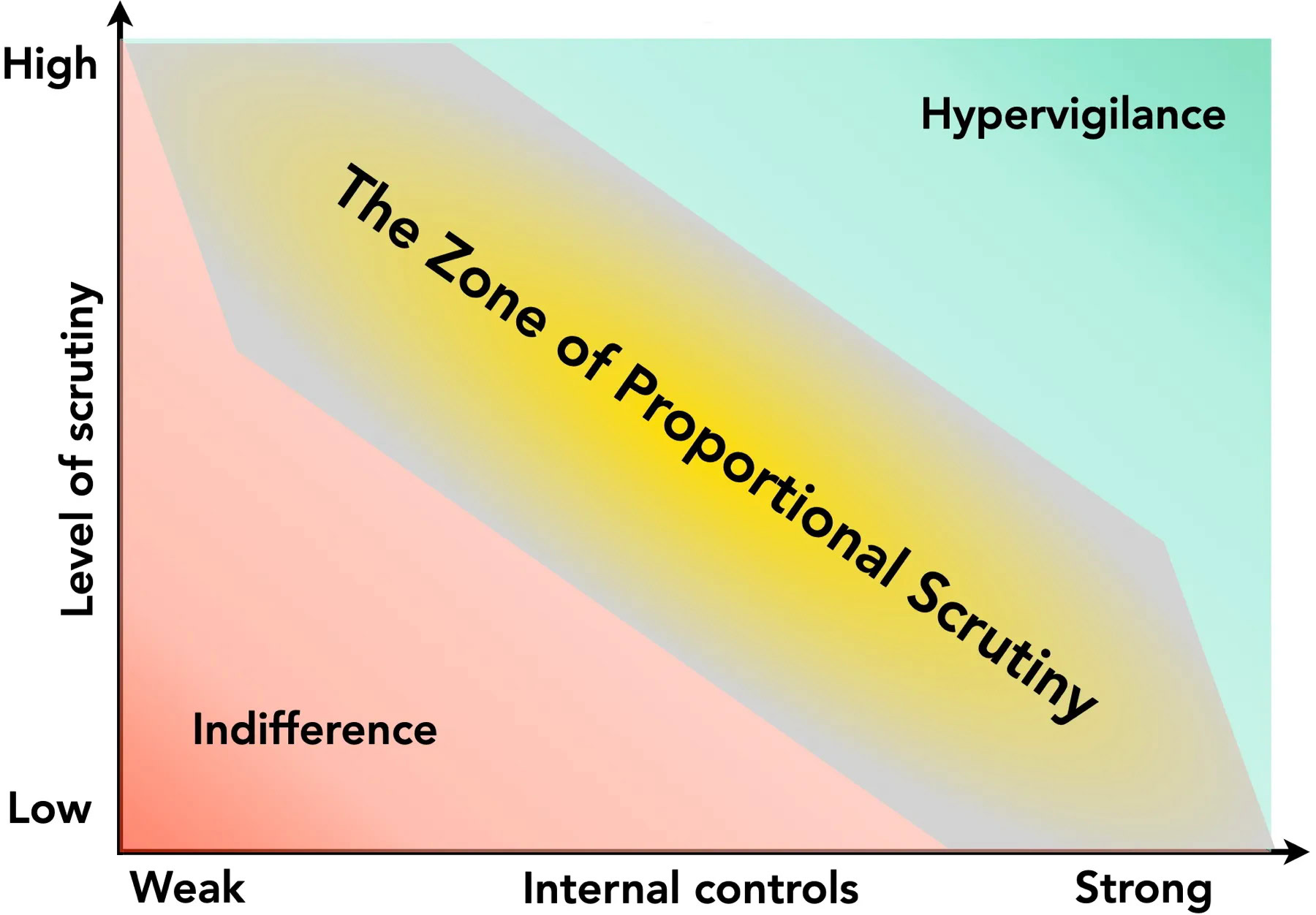
Source: Stephen Codrington (2025) p.414
The BYD lesson for school leaders and boards is really a lesson in systems thinking. Attention to detail does not mean micromanagement, but designing self-sustaining structures where detail is respected and monitored. Clear reporting templates, well defined delegations, disciplined committee work and robust performance metrics ensure that oversight is not left to chance. Just as BYD internalised battery production to control quality and cost, school boards and leaders must develop, embrace and internalise a culture where compliance, ethics and performance are systematically and conscientiously reviewed rather than episodically addressed.
Attention to detail needs to be an integral part of the school’s (including the board’s) culture. When school leaders or board members ask precise questions, or insist on evidence and updates on agreed actions, they send a message that detail matters and that they expect sound responses. On the other hand, when Heads or boards tolerate vague reporting or accept assurances without data, they are modelling mediocrity and complacency. Over time, such a culture erodes effectiveness.
The rise of BYD and the relative stalling of Tesla illustrate a simple but profound principle, which is that while strategy sets direction, attention to detail determines sustainability. For school boards and Heads of Schools, this translates into a mindset that respects small matters as being consequential while maintaining the balance of not becoming fixated on operational minutiae.
In education, as in automotive manufacturing, excellence is rarely the product of inspiration alone, but rather the outcome of disciplined, consistent attention to quality and proven innovation.
- Dr Stephen Codrington
References:
Howard Yu (2026) The Strategy Musk Missed: How BYD Became Tesla’s Nightmare. https://howardyu.substack.com/p/the-strategy-musk-missed-how-byd
Stephen Codrington (2025) Daring Insights into School Leadership and Board Governance. https://optimalschool.com/optimal-school-governance-book-3.html
We offer support for school leaders and board members in many areas, including strategic planning and risk management.
Further information on this and many other facets of best practice in school leadership and governance is provided in the books “Optimal School Governance", and “DARING INSIGHTS into School Leadership and Board Governance”, which can be ordered directly through Pronins.
You may also be interested in previous articles which are archived at https://optimalschool.com/articles.html. You can subscribe to receive future articles by e-mail using the red button below.